
Red light therapy is a raved about beauty treatment, and is said to improve scalp health, hair growth and hair thinning issues.
More at-home red light therapy devices are becoming available, but can using a red light therapy device actually help in reversing gray hair?
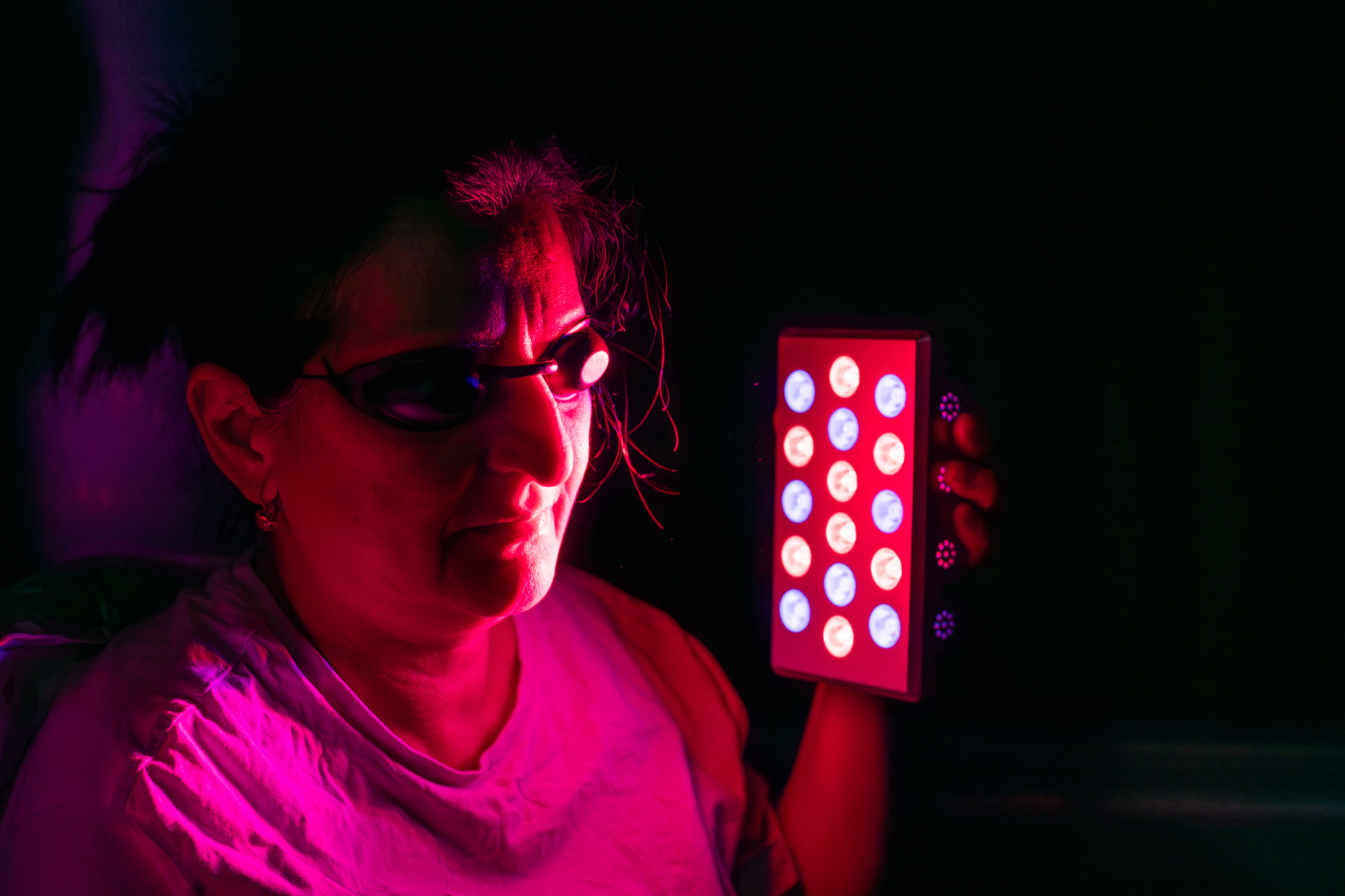
How Red Light Therapy Works On The Scalp
On your scalp, red light therapy delivers specific wavelengths of red and near-infrared light into your skin, to energize your hair follicles and the surrounding cells.
You usually position a red light panel, a cap or comb close to your skin, so the red light wavelengths can pass through the epidermis, and reach the hair follicle structures.
When that happens, photons support mitochondrial activity, which boosts ATP and drives cellular stimulation, which helps your hair follicles to function more efficiently.
As your circulation and metabolic activity improves, you can support your scalp’s health by reducing oxidative stress and encouraging a more balanced hair growth environment.
Using red light therapy can also influence the cells around your hair follicles which manage inflammation and tissue repair, which affects the strength and texture of your hair strands.
Can Red Light Therapy Reverse Gray Hair?
Gray hair usually appears when your melanocytes slow down or stop producing pigment, and once that decline happens, it’s hard to reverse that process.
Using red light therapy might support your scalp’s health by improving the cellular energy and local circulation, which could create a better environment for the pigment-producing cells.
However, red light therapy effectiveness for restoring hair pigmentation hasn’t been firmly established in large, well-controlled human trials.
If you do notice a change, it’s more likely to be a subtle improvement, with fewer newly emerging gray hairs, slower progressions or a slightly richer tone in your borderline stands, rather than a full return to your natural hair color.
Your results will depend on your own genetics, your nutrient status, stress load, and where you are in the aging process.
Why Hair Growth And Hair Color Are Different Issues
Even if using red light therapy helps your hair to look fuller or have less shedding, it doesn’t automatically mean it will restore your hair’s natural color.
Your hair growth depends on your hair follicle’s activity and blood flow, whilst your hair pigmentation depends on the specialized pigment cells inside the follicles.
Gray hair happens when the melanin production stops or slows down, and that shift often tracks the aging process and genetic factors, more than it tracks simple follicle strength.
Hair follicles can keep producing thick strands even when your pigment cells decline, so you can get healthy-looking hair that silver or gray.
Growth therapies may extend the hair life cycle, but reversing hair pigmentation requires restarting or preserving the pigment system itself, which is a completely different issue.
What To Expect Before Trying Red Light Therapy
You need to set yourself some realistic expectations on what red light therapy can and can’t do. If your gray hairs come from genetics or age-related melanocyte loss, red light therapy might not restore the color, but it could help improve your hair’s thickness and shedding issues.
For your treatment sessions, if you use a cap or panel, it’s likely you’ll need to do 10 to 20 minutes three to five times a week, for at least 3 to 6 months before you can fully judge your results.
You’ll also need to do a cost analysis up front, deciding on the device you want to buy, as devices range from budget to premium, and professional clinic sessions all add up.
Don’t go into trying red light therapy thinking it’ll reverse all of your gray hairs, as it’s just not going to happen, but it’s worth a try, if you have the budget available, as it’ll improve the health of your hair and scalp at the very least.